

Your Museum Store for the 250th: Profit, Purpose, Powerhouse
NOTE: This blog post summarizes an article originally published in the December 2025 issue of History News, AASLH’s magazine. For access to the full article, please reach out to the Museum Store Association’s communications team.
By Melody Cabán
As museums and public history organizations prepare to commemorate the United States’ 250th anniversary, attention is naturally focused on exhibitions, public programs, and community partnerships. But there’s another space that holds enormous potential during this historic moment: the museum store.
Far more than a retail outlet, the museum store can serve as a mission-driven extension of the visitor experience — a place where storytelling continues, learning deepens, and visitors leave with meaningful connections in hand. When integrated thoughtfully into Semiquincentennial planning, museum stores can also become powerful engines of earned revenue that support institutional sustainability.
The Store as the “Final Exhibit”
The museum store is often the last stop on a visitor’s journey. It’s where people look for ways to remember what they’ve learned, share it with others, or continue exploring a topic at home. In this sense, the store functions as a “final exhibit,” offering tangible objects that extend the stories told in galleries and programs.
Despite this important role, stores are frequently left out of high-level planning conversations and treated as separate operational units. Bringing store leadership into 250th planning early makes a significant difference. Product development, custom merchandise, and vendor coordination take time, and early collaboration allows for thoughtful, mission-aligned products rather than rushed or generic souvenirs.
Early Collaboration Benefits the Whole Museum
When store teams are part of the conversation from the start, institutions benefit across departments. Merchandise can reflect exhibition themes and educational goals. Inventory can be planned around expected attendance and major events. Marketing teams can promote store products alongside programs, and development staff can explore exclusive items for donors or members.
Curators can help identify key objects, figures, and narratives that inspire meaningful products. Educators can recommend books, activity kits, or games that extend learning beyond the museum visit. Community engagement teams can build partnerships with local artists and makers whose work reflects regional stories and diverse perspectives. Visitor services teams can ensure staff are prepared to answer questions and guide visitors toward relevant products.
In short, the store becomes a shared platform for storytelling rather than an afterthought.
Supporting Mission Through Revenue
Museum stores are also important contributors to financial sustainability. Industry data shows they can generate between 5 and 25 percent of a museum’s annual revenue. That income supports exhibitions, education, staffing, and long-term planning.
Clear goals and measurement help maximize this impact. Establishing key performance indicators such as average transaction value and visitor conversion rates provides insight into performance. Careful product budgeting, strategic pricing, and regular sales analysis help stores respond to trends and make informed decisions. The store also provides a natural setting to promote memberships and encourage donations.
At the Alutiiq Museum in Alaska, improved reporting systems and simplified KPI tracking gave staff clearer insight into sales patterns. This allowed the museum to refine inventory choices and strengthen earned revenue in a manageable, data-informed way.
Products That Tell Real Stories
The Semiquincentennial presents an opportunity to move beyond generic patriotic merchandise and instead reflect the full complexity of American history. Museum stores can mirror the thoughtful storytelling found in exhibitions by highlighting local narratives, underrepresented voices, and community heritage.
Products might align with themes such as civic participation, unfinished revolutions, or the power of place. They can also reflect institutional values through locally made goods, sustainable materials, or partnerships with women- or minority-owned businesses. Vendors can become creative partners, offering display ideas, trend insights, and even participating in special events.
King’s Chapel in Boston offers a strong example. By focusing on the theme of freedom, the chapel’s small store replaced generic items with mission-aligned books, children’s products, and custom bells inspired by artifacts. The shift strengthened both sales and visitor connection.
The Power of Custom Merchandise
Custom products are especially effective for the 250th. Items inspired by a museum’s own collections or local history create unique offerings that can’t be found elsewhere. Designing these items with longevity in mind ensures they remain relevant even after anniversary celebrations conclude.
Collaborating with local artists and manufacturers deepens authenticity and strengthens community ties. Limited-edition runs, special packaging, and storytelling elements like QR codes can add excitement and educational value. Packaging can also remind customers that purchases directly support the museum.
In Venice, Florida, history organizations created memorable custom products that combined local culture and preservation. A Hawaiian shirt featuring illustrations of lost historic buildings and a LEGO-style model of a beloved fire truck both generated remarkable sales and public interest.
Impact on Any Budget
Not every museum can launch a full line of custom merchandise, but meaningful improvements are still possible. Stores can host book signings, talks, or pop-up events tied to 250th themes. Simple signage explaining the story behind products adds depth and connection. Thoughtful merchandising — grouping items by theme or story — can transform how visitors experience the space. Cross-departmental promotion naturally introduces new audiences to the store.
Staff as Ambassadors
Museum store staff play a crucial role in shaping the visitor experience. As front-line ambassadors, they often provide first and last impressions. Training in product knowledge, museum programming, customer service, and point-of-sale systems helps them feel confident and prepared.
A welcoming store can serve as a comfortable “third space,” especially for first-time museum visitors who may find a retail setting more familiar than galleries. When staff understand the stories behind products and the goals of the 250th initiatives, they help connect visitors more deeply to the museum’s mission.
Looking Beyond 2026
Investments made in store planning, product development, partnerships, and staff training don’t end with the Semiquincentennial. The relationships, practices, and product lines established now can continue generating revenue and strengthening visitor engagement for years to come.
The museum store stands at the intersection of profit and purpose — a place where education, storytelling, and financial sustainability come together. By integrating retail into 250th planning, museums can create richer visitor experiences while building a stronger foundation for the future.
 Melody Cabán is a Dallas-based museum retail expert and founder of Melody Cabán Consulting with nearly 20 years of experience. She specializes in transforming museum gift shops into profitable, mission-driven retail destinations. Cabán provides strategic, hands-on guidance for cultural institutions, including art, science, and history museums, and is a contributor to industry publications.
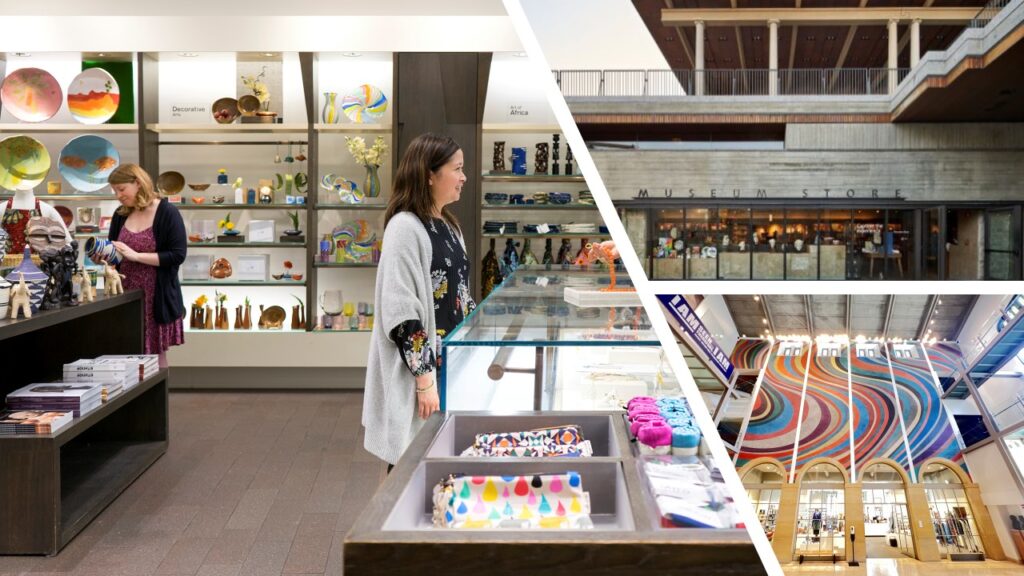
Images courtesy of de Young Museum Store (left), Getty Museum Store (upper right), and The Wadsworth Museum Store (lower right). Featured image: Independence Seaport Museum